
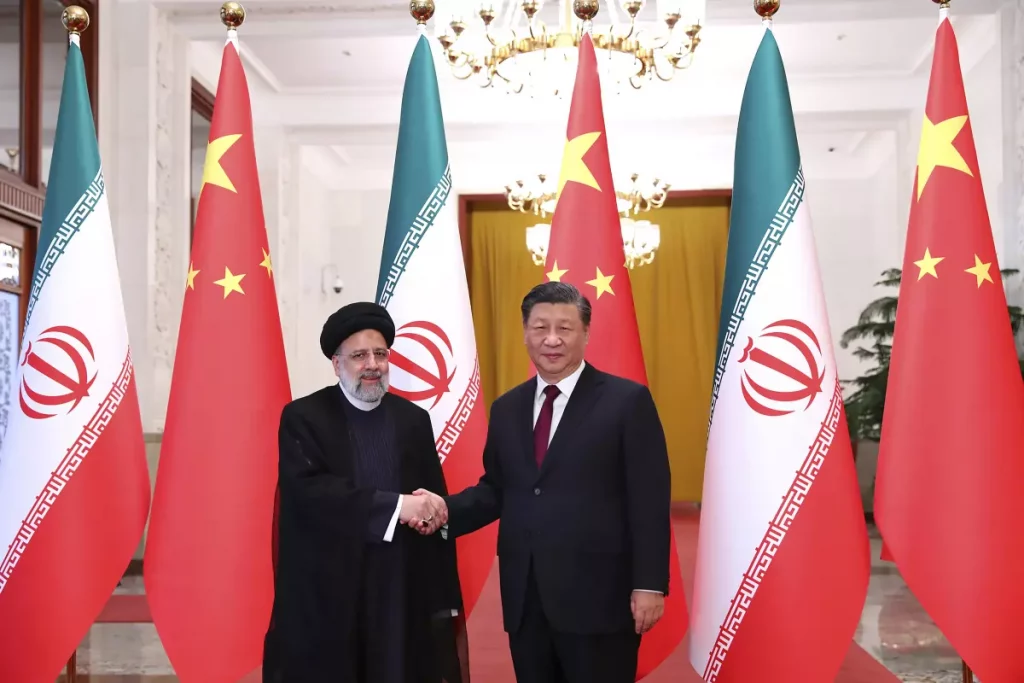
Recurring reports that China has supplied, and continues to supply, Iran with weapons systems and critical components for drones and ballistic missiles are largely treated in Israel as a fait accompli. The prevailing assumption is that Israel, as a small power, lacks the leverage to dissuade Beijing from assisting Tehran. Worse still, many in Jerusalem fear that pressing China on the issue would trigger severe retaliation against Israeli interests.
Israel may indeed be unable to compel China to scale back support for Iran’s military-industrial base. Yet the past two years suggest that Beijing is neither immune to pressure nor indifferent to Israeli power. Despite repeated Chinese warnings regarding possible consequences for Israeli actions perceived as hostile to Chinese interests, bilateral relations have not collapsed. If anything, Israel’s excessive caution toward Chinese sensitivities may only encourage Beijing to continue enabling Iran’s war machine.
The October 7 massacre accelerated a significant rapprochement between Beijing and Tehran. Chinese leaders appeared convinced that Iran and its so-called “Axis of Resistance” were poised to expand their regional influence at America’s expense. China consequently adopted increasingly harsh anti-Israeli rhetoric and moved diplomatically closer to Tehran.
But the strategic picture shifted dramatically during the summer of 2024. Israel’s military and intelligence campaign against Iran, Hamas, and Hezbollah exposed not only the limitations of the “Axis of Resistance,” but also Israel’s operational superiority and regional staying power. In Beijing, this appears to have prompted reassessment. China’s once unequivocal diplomatic alignment with Iran has since become noticeably more restrained, and official Chinese statements contain implicit criticism toward Tehran’s conduct.
Importantly, this shift did not result from Israeli diplomatic outreach to Beijing. It stemmed from China’s respect for Israeli power projection. Chinese strategic culture places considerable weight on states that prove capable of defending their national interests decisively and effectively. Israel’s performance on the battlefield appears to have forced a recalibration in Beijing’s regional assessment.
Indeed, despite periodic threats of retaliation, China has ultimately shown greater pragmatism than many in Israel realize. Since 2021, Israel has joined annual international declarations expressing “grave concern” over Chinese actions in Xinjiang. According to foreign media reports, both Taiwan’s deputy defense minister and deputy foreign minister separately visited Israel last year. From Beijing’s perspective, these developments infringed directly upon Chinese “core interests” – opposition to international criticism of its human rights records and resistance to any upgrading of international ties with Taiwan. Yet the dire anticipated consequences of retaliation never materialized.
At the same time, China remains deeply invested in preserving its image as a “responsible power” and its close strategic and economic relations with the Gulf monarchies. This balancing act requires Beijing to sustain plausible deniability regarding support for Iran’s weapons industry. With Saudi Arabia, the UAE, and Qatar considered in Beijing as key strategic and economic partners, Tehran’s aggressions targeting the Gulf have complicated Chinese diplomatic calculus. Nevertheless, China has been able to maintain a delicate balancing act.
Israel, however, should not continue enabling this geopolitical masquerade. The current ambiguity surrounding Chinese support for Iran serves Beijing’s interests all the while it undermines Israel’s security. Jerusalem should therefore consider signaling that it is prepared to publicly expose the full scope of Chinese military assistance to Iran’s drone and missile programs.
Such a move would not necessarily end Chinese support for Tehran. But it could alter Beijing’s cost-benefit calculations by increasing the diplomatic and reputational price. This might create some space for tacit negotiations between Beijing and Jerusalem.
Ultimately, the strategic damage inflicted on Israel by the continued Chinese supply of critical components to Iran’s missile and drone manufacturing far outweighs the potential costs of a firmer Israeli posture toward Beijing. Moreover, China’s own regional balancing constraints – intensified by the war itself – likely limit its maneuvering to escalate against Israel in any meaningful way.
The real question, therefore, is not whether Israel can force China to abandon Iran. It is whether Jerusalem is prepared to exact a meaningful price for Beijing’s support of Tehran.
Tommy Steiner is the Policy Director at SIGNAL Group.