
Charting Israel’s Strategic Future:
China, the Indo-Pacific, and a Changing World
Hybrid Conference | Thursday, Nov. 5, 2026
Speakers from Japan, India, Europe, China, the US, and Israel
In-Person Plenary Sessions Broadcasted
Live from Tel Aviv Stock Exchange, Israel
Key Themes
- Great-Power Competition and Israel’s Strategic Autonomy
- Israel’s Indo-Pacific Strategy: Partnerships and Opportunities
- China’s Role in the Middle East and Implications for Israel
- Middle Powers and a Changing International Order
Thursday, Nov 5th, 2026
8-11 a.m.
U.S. Eastern
3-6 p.m.
Jerusalem/Cairo
5-8 p.m.
Abu Dhabi
6:30–9:30 p.m.
New Delhi
9 p.m.– midnight
Beijing/Singapore
10 p.m.–1 a.m.
Tokyo
Conference Agenda
Over the past decade, China has emerged as a major challenger to the U.S.-led international order, while the Indo-Pacific has become the principal arena in which geopolitical, economic, technological, and military power is being contested. At the same time, the growing influence of India, Japan, South Korea, the Gulf states, and other middle powers is reshaping the international system and creating new patterns of strategic alignment with direct implications for Israel.
These are no longer distant developments. China’s expanding presence in the Middle East, including in technology and digital infrastructure; shifting U.S. strategic priorities; the rise of India and other Indo-Pacific powers; and initiatives such as the India–Middle East–Europe Economic Corridor (IMEC) are increasingly affecting Israel’s security, economic interests, and international position.
As SIGNAL Group’s 2026 conference marks the tenth anniversary of its annual policy conference series, the time has come to rethink Israel’s global posture. For more than fifteen years, SIGNAL Group has worked to deepen Israeli understanding of China and its implications for Israel’s national security, economy, and foreign policy. As China’s global influence has expanded and the Indo-Pacific has emerged as the world’s most consequential strategic arena, that conversation has necessarily evolved.
The challenge facing Israel today to position itself within the broader transformation of the Indo-Pacific and the international order and use those shifts to strengthen its national security, economic resilience, and strategic room for maneuver.
That task has become more urgent as Israel enters a new political chapter following national elections and confronts the strategic consequences of the Second Iran War. The central questions are therefore increasingly practical: How can Israel strengthen its security and strategic autonomy? Which Indo-Pacific relationships should it prioritize? How can it benefit from the growing role of middle powers and emerging regional connectivity? And does Israel now need a deliberate Indo-Pacific strategy to guide these choices?
The 10th Annual Conference on Israel’s China & Indo-Pacific Policy will bring together senior policymakers, diplomats, military officials, business leaders, and leading international experts to examine these questions. Through closed-door roundtables and public plenary sessions, the conference will explore how great-power competition, China’s global role, the rise of the Indo-Pacific, and the transformation of the Middle East are reshaping Israel’s strategic environment and how Israel can position itself to capture the opportunities of this new era while strengthening its resilience against the risks.
Speakers
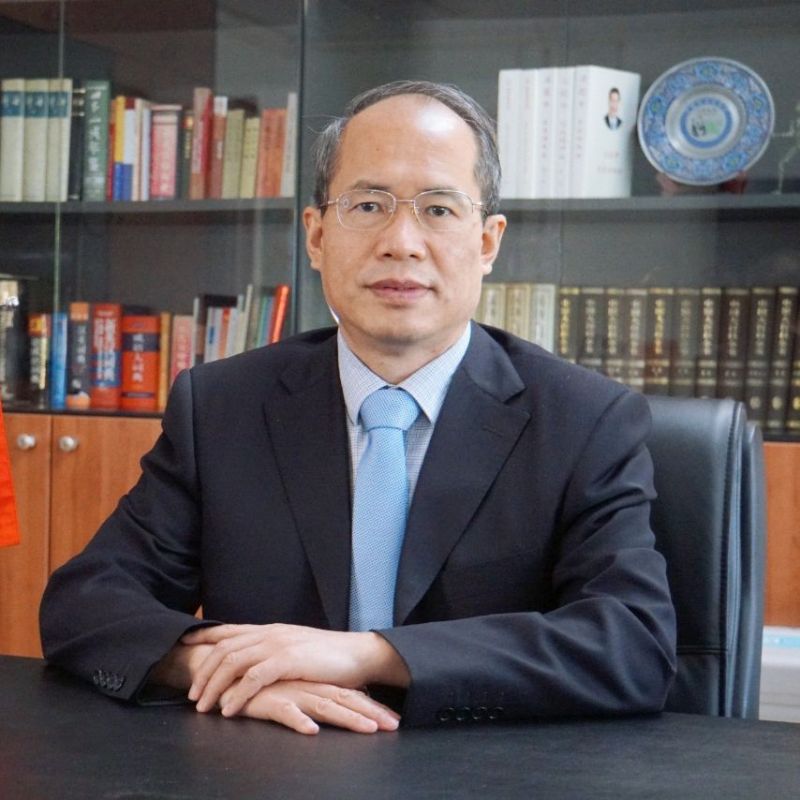
H.E. Dr. Xiao Junzheng
Ambassador of the People's Republic of China to the State of Israel.
H.E. Mr. Xiao Junzheng is Ambassador Extraordinary and Plenipotentiary of the People’s Republic of China to the State of Israel. A seasoned diplomat with extensive expertise in Middle Eastern, North African, and European affairs, he previously served as China’s Ambassador to Greece and held senior diplomatic postings in Iran, Türkiye, and Egypt. He also served as Deputy Director-General of the Department of West Asian and North African Affairs at China’s Ministry of Foreign Affairs. Ambassador Xiao began his diplomatic career in 1998 after working as a researcher at the China Institute of International Studies. He holds a Ph.D. in History from Peking University and brings substantial regional experience to the advancement of China-Israel diplomatic, economic, and people-to-people relations.-
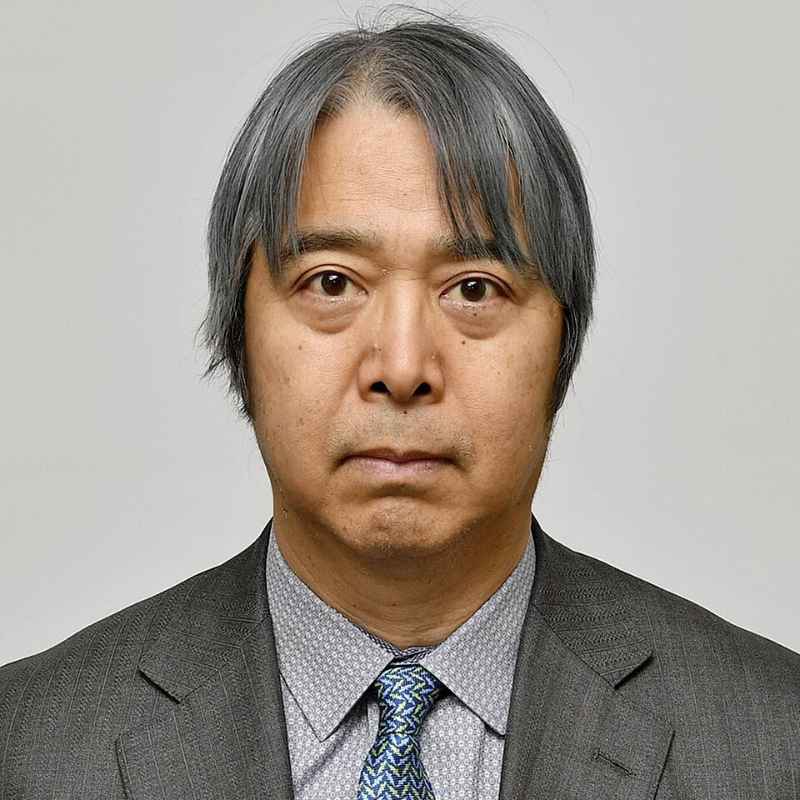
Amb. ARAI Yusuke
Ambassador Extraordinary and Plenipotentiary of Japan to Israel.

Ms. Carice Witte
Founder & Executive Director, SIGNAL Group, Israel.
Carice Witte is the Founder and Executive Director of SIGNAL Group. In 2011, she initiated Chinese-Israeli Track II exchanges and launched an annual program in Israel for Chinese faculty teaching Israel Studies, contributing to the establishment of Israel Studies programs at universities across China. In 2022, she led SIGNAL Group’s expanded Global Israel Initiative, building bilateral and minilateral ties with Indo-Pacific partners, with particular focus on Japan, India, and South Korea. Having conducted more than 2,000 briefings in China, Israel, and the Indo-Pacific, she established SIGNAL Group’s annual conference on Israel’s China policy in 2016; its scope expanded to include the Indo-Pacific in 2025. In 2023, she led the development of an executive education program on China and Chinese statecraft for Israeli mid-career officials.

Dr. Zhao Hai
Vice President, The Chinese Institute of Hong Kong.
Dr. Zhao Hai is Vice President of The Chinese Institute of Hong Kong. His research focuses on China–U.S. strategic relations, Chinese foreign policy, Asia-Pacific political economy, global governance, and the Belt and Road Initiative. Before assuming his current position, he was a Research Fellow at Tsinghua University’s Institute for National Strategy and held research positions at institutions in China and the United States. Dr. Zhao holds a Ph.D. in International History from the University of Chicago and an MA in Asia-Pacific Studies from Peking University. He also studied at the Johns Hopkins University–Nanjing University Center for Chinese and American Studies.
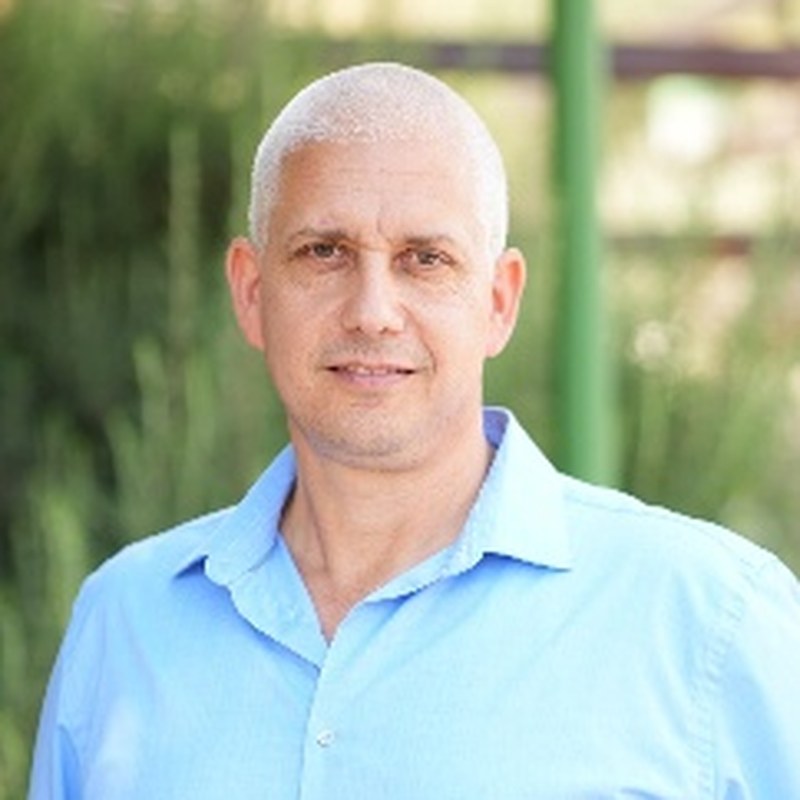
Colonel (res.) Edan Morag
Former Defense Attaché of Israel in China.
Colonel (res.) Edan Morag is a SIGNAL Group Fellow, geostrategic researcher, and former Israeli Defense Attaché to China, specializing in Indo-Pacific security, military modernization, and strategic competition in East and Southeast Asia. During his distinguished IDF career, he commanded the 205th “Iron Fist” Reserve Armored Brigade and was awarded Israel’s Medal of Distinguished Service. His diplomatic service in Beijing provided him with first-hand insight into Chinese statecraft, the People’s Liberation Army, and regional security dynamics. His current research addresses China–Taiwan tensions, potential Indo-Pacific contingencies, and their implications for Israel. He holds an MA in National Security Studies from the University of Haifa and lectures on strategic leadership, civil–military decision-making, and national security policy.
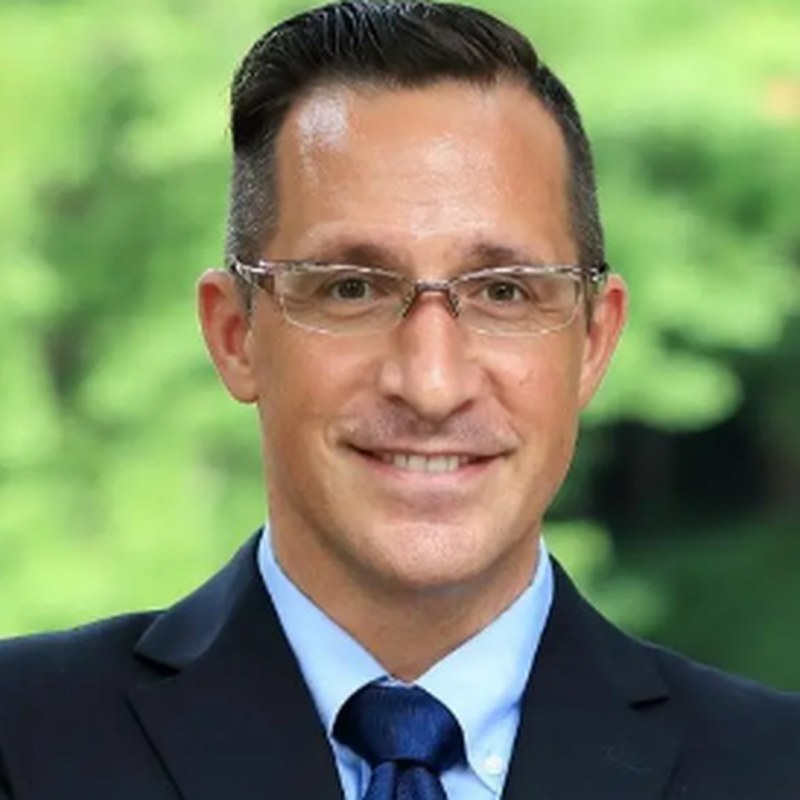
Prof. Stephen R. Nagy
Professor, International Christian University, Tokyo.
Prof. Stephen R. Nagy is Professor of Politics and International Studies at International Christian University in Tokyo, specializing in Indo-Pacific geopolitics, great-power competition, and Japanese and Chinese foreign policy. His research focuses on Sino-Japanese relations, U.S.-China strategic competition, regional economic security, and the role of middle powers in shaping the Indo-Pacific order. He is a Senior Fellow at the Macdonald-Laurier Institute, a Research Fellow at the Canadian Global Affairs Institute, and a Visiting Fellow at the Japan Institute of International Affairs (JIIA). As Director of Policy Studies at the Yokosuka Council on Asia-Pacific Studies, he leads its Indo-Pacific Policy Dialogue Series. Prof. Nagy holds a Ph.D. in International Relations from Waseda University and regularly advises governments, businesses, and international media on regional geopolitical developments.

Dr. Go Myong-Hyun
Senior Research Fellow, Institute for National Security Strategy, Seoul.
Dr. Go Myong-Hyun is a Senior Research Fellow at South Korea’s Institute for National Security Strategy, specializing in North Korea, hybrid threats, cybersecurity, sanctions, and Northeast Asian security. Applying quantitative methods to traditional and emerging security challenges, his research examines North Korea’s economy and long-term strategy, the effectiveness of international sanctions, and the growing intersection of cyber, economic, and military coercion. He is also an Adjunct Senior Fellow at the Center for a New American Security and an Associate Fellow at the Royal United Services Institute. Previously, he was a Senior Fellow at the Asan Institute for Policy Studies. Dr. Go holds a Ph.D. in Policy Analysis from the Pardee RAND Graduate School, as well as degrees in economics, mathematics, and statistics from Columbia University.
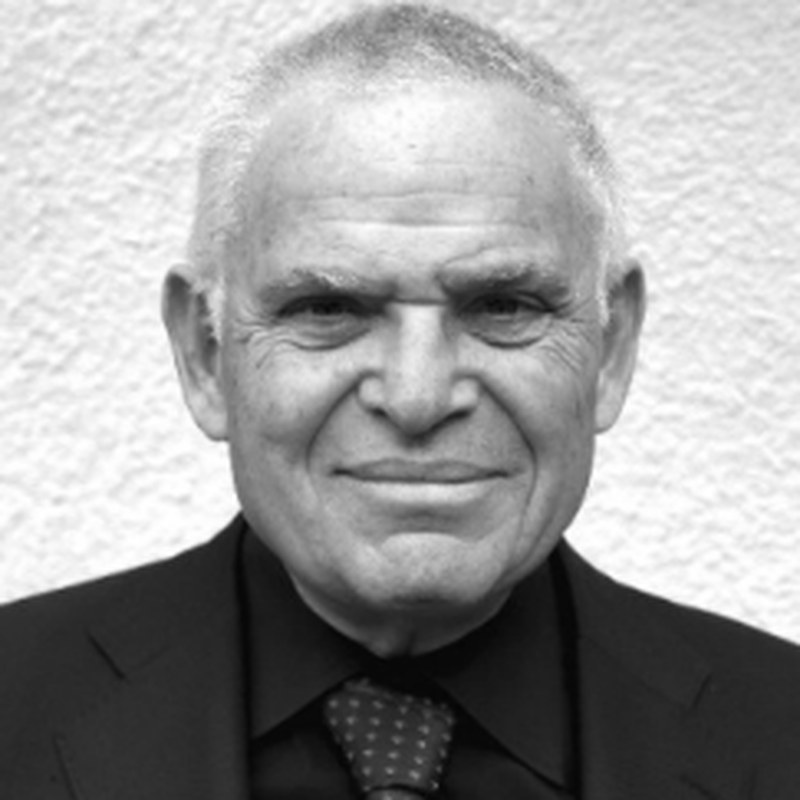
Prof. Edward N. Luttwak
Historian and former consultant to the U.S. Department of Defense and National Security Council.
Prof. Edward N. Luttwak is a renowned strategist, historian, and defense consultant whose work spans grand strategy, military innovation, geoeconomics, and China’s rise. He has advised the U.S. Department of Defense, National Security Council, Department of State, armed services, and allied governments, and has testified before congressional committees and presidential commissions. He is the author of numerous influential works, including Strategy: The Logic of War and Peace, The Rise of China vs. the Logic of Strategy, and, most recently, The Art of Military Innovation: Lessons from the Israel Defense Forces, co-authored with Eitan Shamir. His books have been published in more than 25 languages and are widely studied at universities and military institutions worldwide.
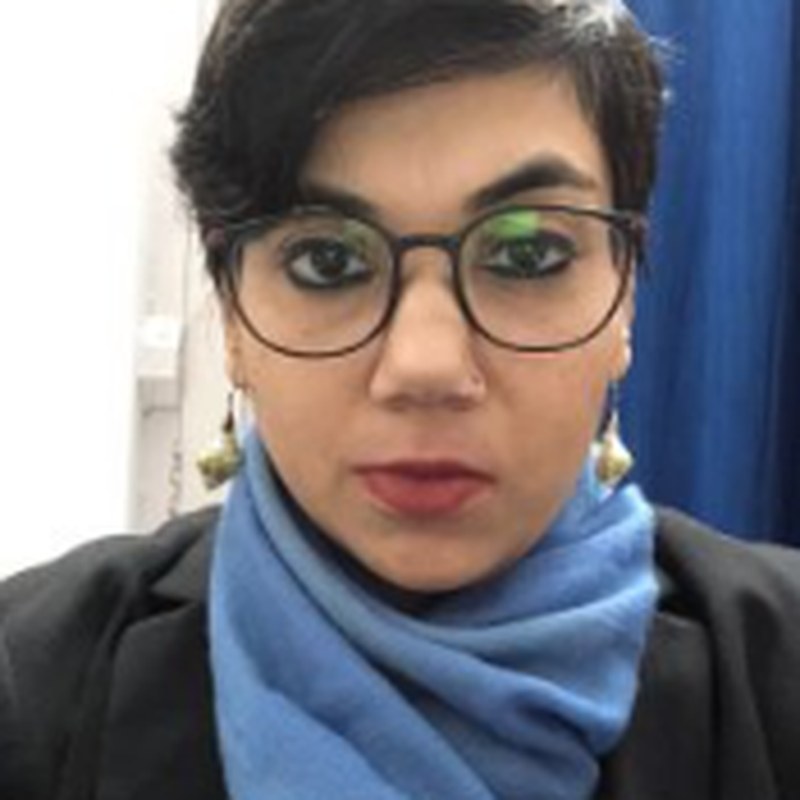
Prof. Sriparna Pathak
Professor, Jindal School of International Affairs, O.P. Jindal Global University, India.
Prof. Sriparna Pathak is Professor of China Studies and founding Director of the Centre for Northeast Asian Studies at O.P. Jindal Global University, where she also serves as Associate Director of the Jindal India Institute. Her research focuses on Chinese domestic and foreign policy, India–China relations, Northeast Asian geopolitics, and China’s influence operations. She previously served as a consultant in the Policy Planning and Research Division of India’s Ministry of External Affairs and held research positions at the Observer Research Foundation and the Centre for Armed Forces Historical Research. Prof. Pathak works with Taiwan’s Doublethink Lab on monitoring foreign influence and information manipulation and has contributed to related European External Action Service initiatives. She is the author of Drifts and Dynamics: Russia’s Ukraine War and Northeast Asia.
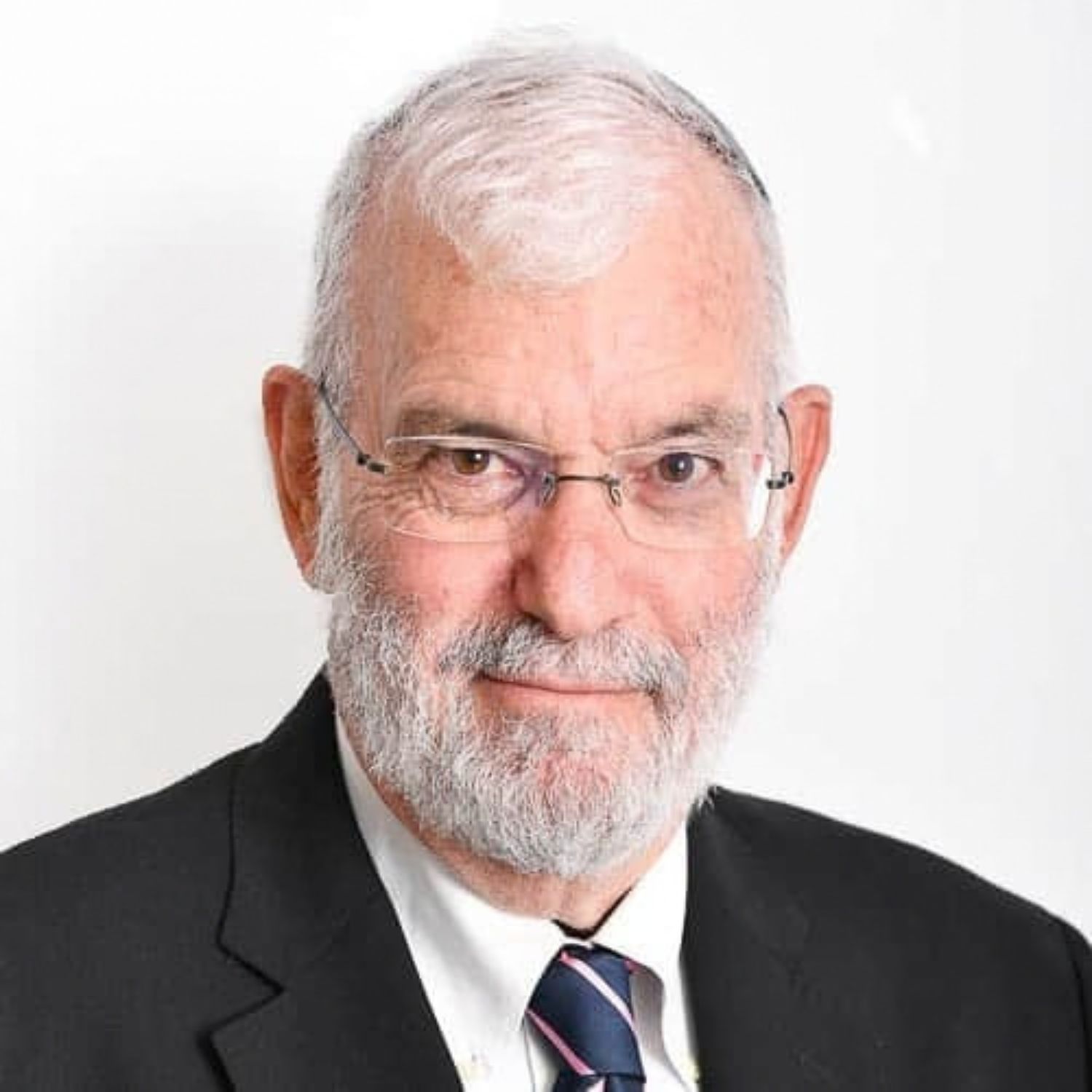
Major General (res.) Yaakov Amidror
Former National Security Advisor of Israel.
Major General (res.) Yaakov Amidror served as National Security Advisor to the Prime Minister of Israel and Chairman of the National Security Council.
During a 36-year IDF career, he held senior positions including Director of the Intelligence Analysis Division in Military Intelligence, Military Secretary to the Minister of Defense, Chief Intelligence Officer of the Northern Command, and Commander of the IDF Military Colleges. His expertise spans Israeli national security, intelligence, military strategy, and regional geopolitics. He is a senior fellow at the Jerusalem Institute for Strategy and Security and a Distinguished Fellow at JINSA’s Gemunder Center.
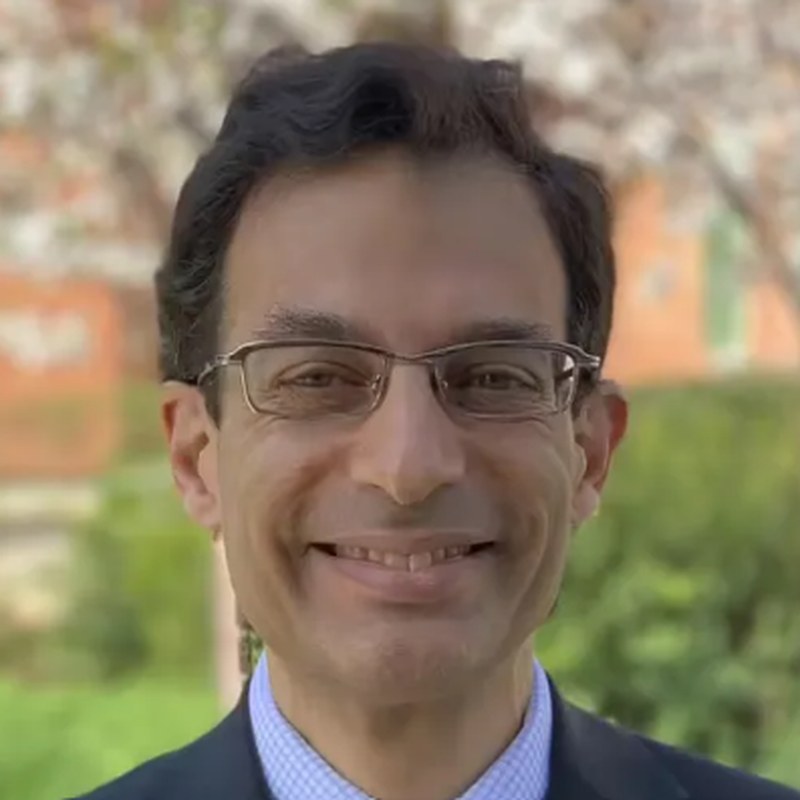
Prof. Seth D. Kaplan
Professorial Lecturer, Paul H. Nitze School of Advanced International Studies, Johns Hopkins University.
Dr. Seth D. Kaplan is a leading expert on fragile states, social cohesion, political transitions, and conflict prevention. He is a Professorial Lecturer at Johns Hopkins University’s School of Advanced International Studies and a Senior Adviser at the Institute for Integrated Transitions. Drawing on more than two decades of international experience, he has advised organizations including the World Bank, USAID, the U.S. Department of State, and the OECD on governance, political risk, institutional resilience, and community-based development. Dr. Kaplan is the author of Fragile Neighborhoods, Fixing Fragile States, and Betrayed. He holds a Ph.D. from Utrecht University and an MBA from the Wharton School, and his extensive experience in East Asia includes professional work in China and fluency in Mandarin Chinese and Japanese.
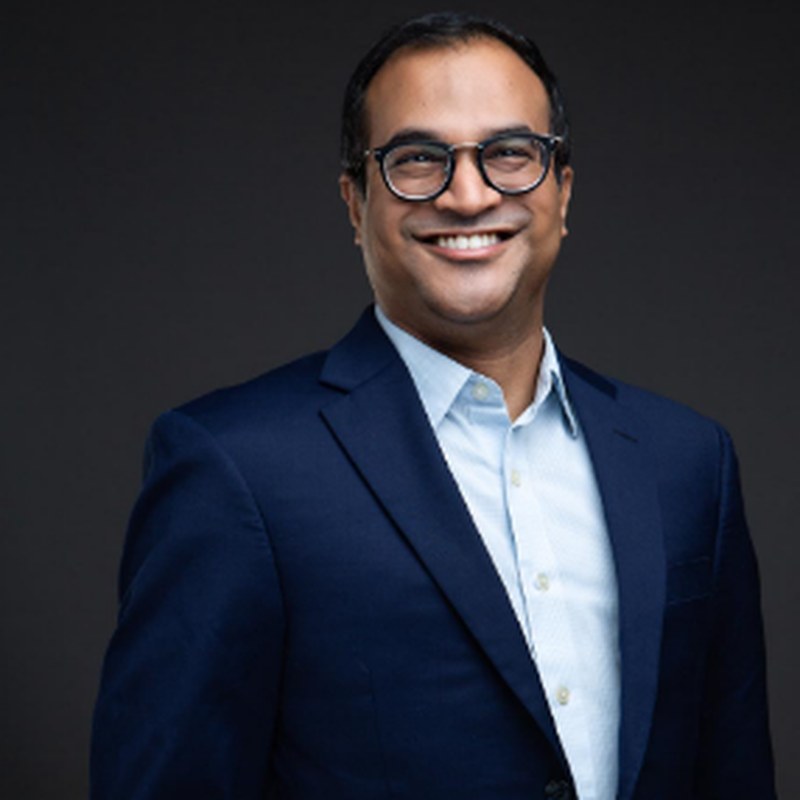
Mr. Niruban Balachandran
Foreign Policy Expert.
Niruban Balachandran is the 2026 DC Campus Graduate Fellow at the USC Shoah Foundation and a doctoral candidate in the Global Executive Doctor of Education program at USC Rossier. With more than two decades of experience spanning international development, higher education, foreign policy, and psychological science, he has served with the World Bank, the U.S. Institute of Peace, and other international organizations. His work focuses on U.S. engagement with Southeast Asia, economic diplomacy, interfaith peacebuilding, and relations between Israel and the Global South. At USC, he is helping develop the Global South-North Institute, including educational initiatives addressing antisemitism and dialogue programs at USC’s Capital Campus in Washington, D.C. He is a Fulbright Specialist Fellow, Truman National Security Fellow, and New America Next Generation Leader, and holds degrees from Harvard and Rutgers.
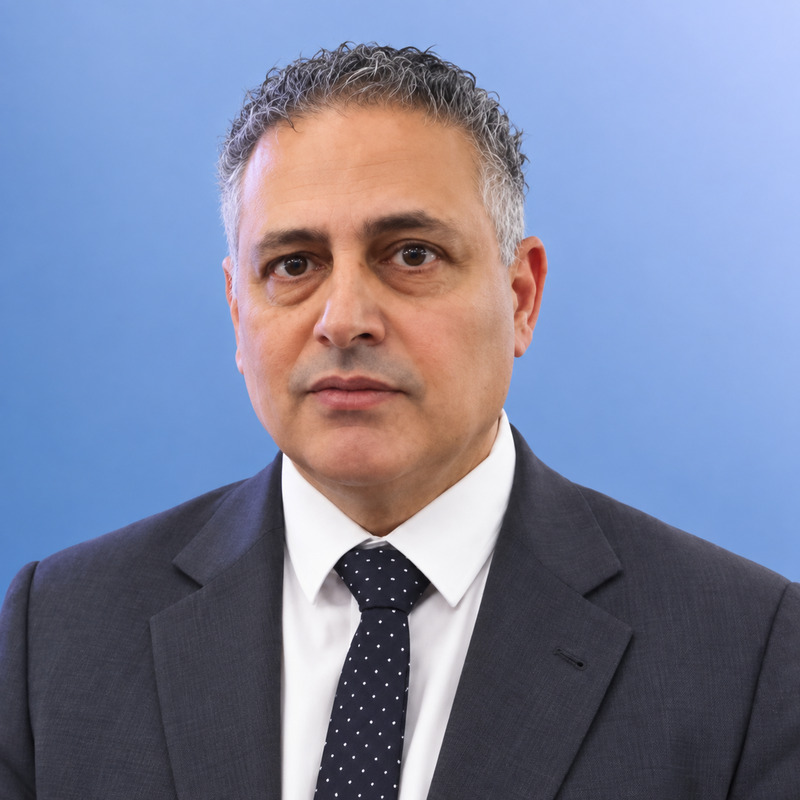
Dr. Victor Israel Ghosalker
Head of Horizon Line Division, Ministry of Innovation, Science and Technology, Israel.
Dr. Victor Israel Ghosalker heads the Horizon Line Division at Israel’s Ministry of Innovation, Science and Technology. Previously, he served as Director of Research and Head of the National Intelligence Directorate at the Ministry of Intelligence. Before joining government, he was a business development executive at Rafael Advanced Defense Systems and served in the Israel Defense Forces for 25 years, retiring with the rank of lieutenant colonel. He holds a Ph.D. in International Relations from Bar-Ilan University.
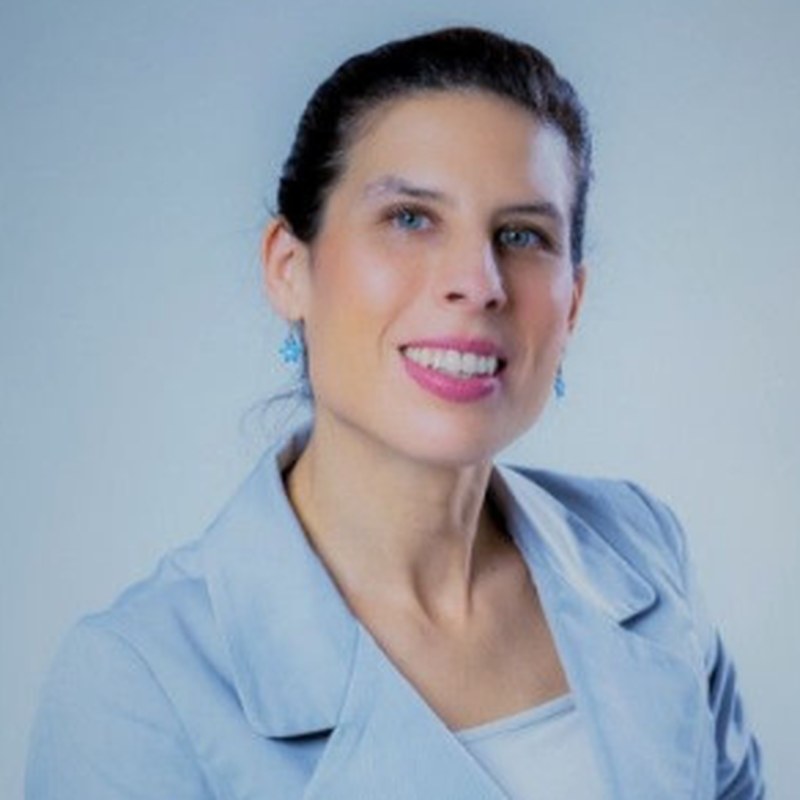
Dr. Sarah-Masha Fainberg
Senior Researcher and Head of the Great Powers Research Program, Elrom Center for Air and Space Studies, Tel Aviv University.
Dr. Sarah-Masha Fainberg is a senior researcher and Head of the Great Powers Program at Tel Aviv University’s Elrom Center for Air and Space Studies. Her research examines Russian and Chinese involvement in the Middle East, great-power competition, and post-Soviet security, with particular emphasis on Ukraine, and the evolving role of air and space power in modern warfare. She lectures in Tel Aviv University’s MA Program in Security and Diplomacy and previously served as a policy and strategic affairs adviser at Israel’s Ministry of Defense and as a research fellow at the Institute for National Security Studies. Dr. Fainberg has held teaching and research positions at Georgetown, Columbia, and Sciences Po. A graduate of École Normale Supérieure, she holds an MA and Ph.D. in Comparative Politics from Sciences Po Paris.
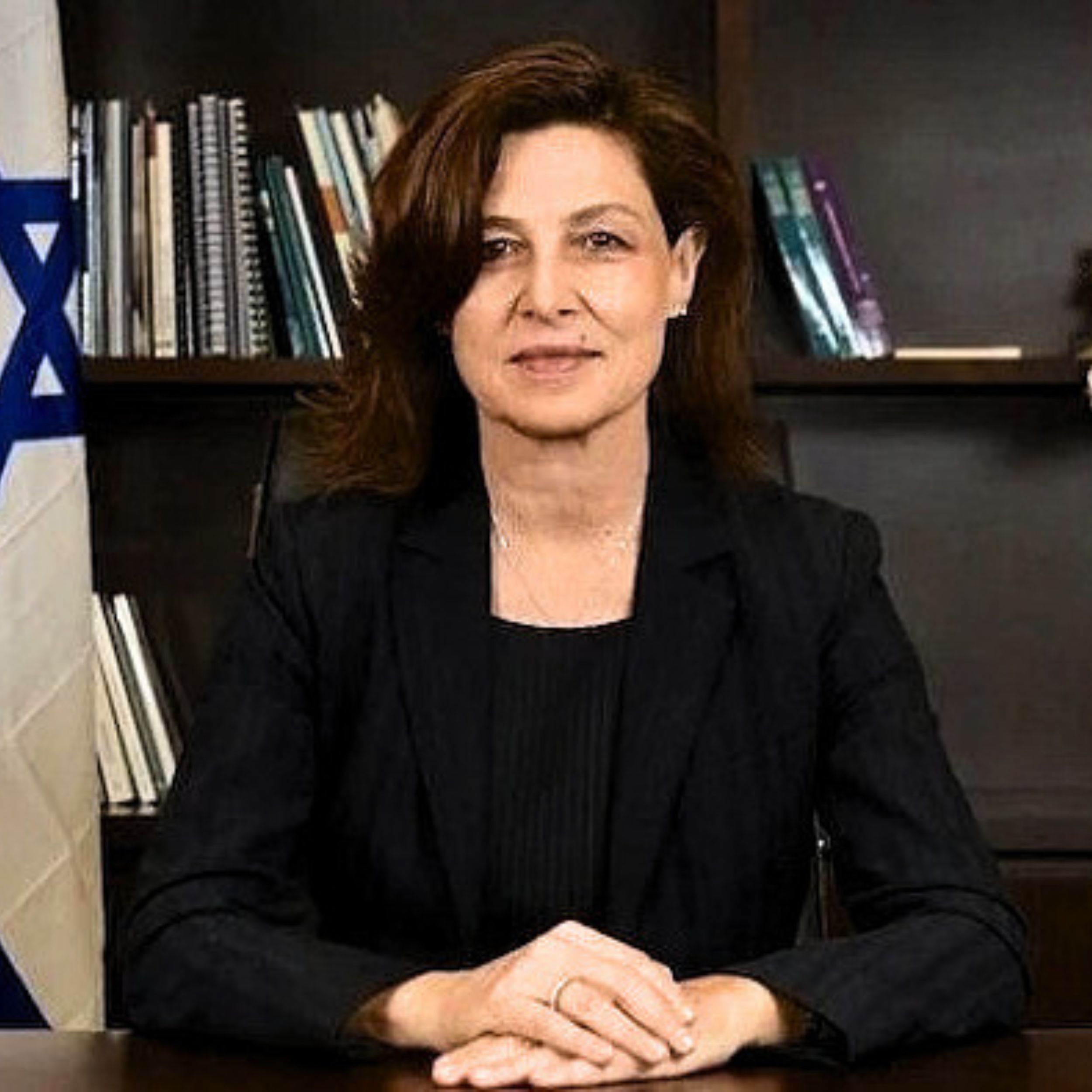
Amb. Aliza Bin-Noun
Former Head of the Political Affairs Directorate, Ministry of Foreign Affairs, Israel.
Ambassador Aliza Bin-Noun is a distinguished Israeli diplomat with more than three decades of service in the Ministry of Foreign Affairs. Most recently, she served as Political Director from 2022 to 2025, following senior positions as Deputy Director General for European Affairs and Deputy Director General for African Affairs.
She served as Israel’s Ambassador to France and Monaco from 2015 to 2019 and as Ambassador to Hungary from 2007 to 2011. Her previous roles also include Head of the Foreign Minister’s Diplomatic Bureau and senior positions in political research, strategic coordination, and international affairs.
Ambassador Bin-Noun holds a Master’s degree in African Studies and Bachelor’s degrees in International Relations and French Language and Culture from the Hebrew University of Jerusalem.

Mr. Roi Feder
Executive Director, APCO Worldwide.
Roi Feder is Executive Director in the Office of APCO Worldwide’s Executive Chairman, where he oversees strategic initiatives in Africa and advises governments, multinational corporations, investors, and senior leaders at the intersection of geopolitics, markets, and global business. He previously led APCO’s UK and Israel offices and its Global Solutions practice. Mr. Feder has extensive experience in strategic positioning, market entry, political risk, and cross-border growth, with particular expertise in China and emerging markets. He served as investment advisor to the Israeli Foreign Trade Administration’s China–India–Japan Fund and has advised leading Chinese companies on international positioning and M&A strategies. He holds an MA in Public Policy from Tel Aviv University and a BA in International Relations and East Asian Studies from the Hebrew University of Jerusalem.

Ms. Elinor Yakobson
Cluster Defense and Cyber Manager, Growth Management, National Program for Economic Growth, Ministry of Economy, Israel.
Elinor Yakobson serves as Defense and Cyber Cluster Manager at Israel’s National Program for Economic Growth, supporting the development of the country’s defense, cyber, homeland security, aerospace, and dual-use technology sectors. With more than a decade of experience across government, venture capital, and startups, she specializes in national innovation strategies, policy development, and public-private partnerships. Her work connects government agencies, national infrastructure, established companies, and emerging ventures to translate complex national priorities into actionable programs and promote sustainable growth in sensitive, high-impact fields.

Ms. Maya Sherman
Tech Diplomacy Professional and Senior Advisor.
Maya Sherman works at the intersection of AI governance, diplomacy, and society, focusing on how emerging technologies reshape labor, institutions, and public trust. She serves as Israel’s AI Expert to the GPAI-OECD Future of Work Committee, advises governments and institutions through GovernAI, and sits on the Scientific Council of the Israeli Association for Ethics in AI.Previously, she served as Israel’s Innovation Attaché in India, leading AI and innovation diplomacy across government, academia, and industry. Her research has been published by leading academic presses and journals. Sherman holds an MSc from the Oxford Internet Institute at the University of Oxford, where she was a Weidenfeld-Hoffmann Scholar.

Ms. Lahav Harkov
Senior Political Correspondent, Jewish Insider.
Lahav Harkov is the Senior Political Correspondent for Jewish Insider, covering Israel’s domestic and international politics. She previously served as Senior Contributing Editor and Diplomatic Correspondent at The Jerusalem Post, where she reported on the Prime Minister’s Office, the Knesset, the National Security Council, the Foreign Ministry, and Israel’s relations with the world.An expert on Israeli politics and diplomacy, Harkov is frequently invited to provide analysis for international media and to lecture in Israel and abroad. Her work has appeared in publications including the New York Post, Commentary, and Tablet. She holds degrees in Political Science and Communications from Bar-Ilan University.
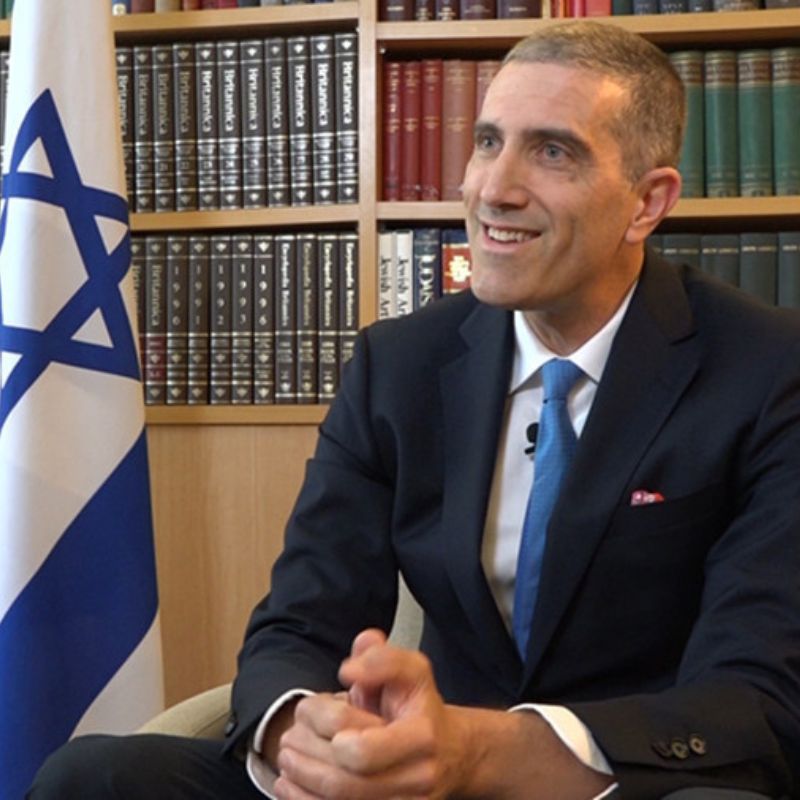
Mr. Hagai Shagrir
Head of the Northeast Asia and Asia-Pacific Bureau, Ministry of Foreign Affairs, Israel.
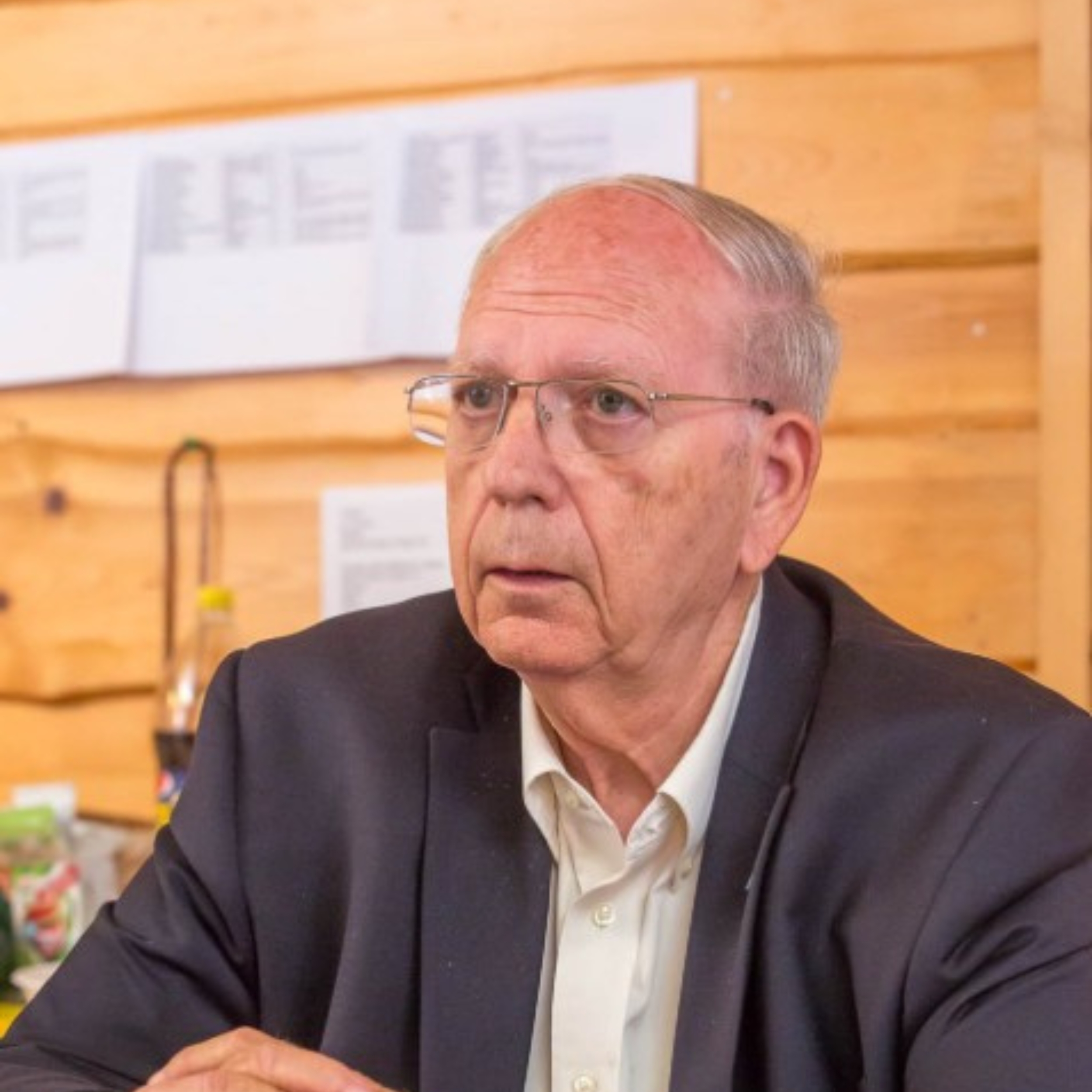
Mr. Efraim Halevy
Former Chief of the Mossad, Israel.
Efraim Halevy served as Director of the Mossad from 1998 to 2002 and subsequently as Head of Israel’s National Security Council. During his four decades in Israeli intelligence, he held senior operational and leadership positions and helped establish strategic ties with intelligence services in countries that did not maintain diplomatic relations with Israel.
Halevy also served as Israel’s Ambassador to the European Union and played a central role in the secret negotiations between Israel and Jordan that led to their 1994 peace treaty. His experience spans intelligence, national security, diplomacy, and the development of discreet international partnerships.